
What Is Travel Medicine, and Do You Need It Before an International Trip?
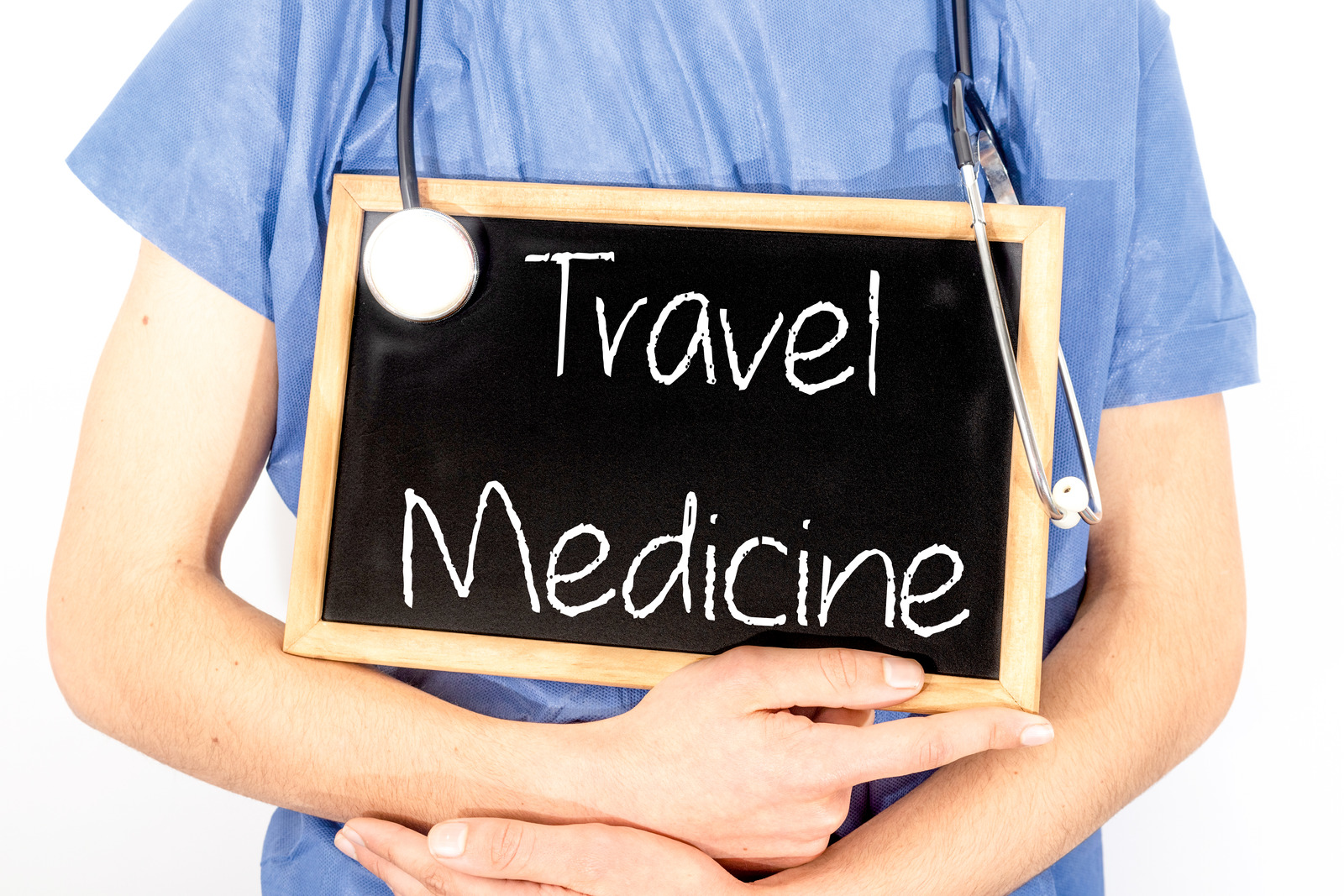
Travel medicine is healthcare that helps you prepare for health risks before, during, and after international travel. A travel medicine provider looks at where you are going, how long you will be away, what you will do, and your health history. They can help you understand vaccines, medicines, food and water safety, insect bite prevention, and what to do if you get sick while traveling.
If you are traveling outside the United States for work, school, family, service, or vacation, a travel medicine visit may help you feel more prepared. The advice you need depends on your destination, your plans, and your personal health needs.
Why travel medicine matters
International travel can be exciting, but it can also bring health questions. Some illnesses are more common in other parts of the world than they are in Indianapolis or other parts of the United States. Some countries may require proof of certain vaccines before you enter. Other trips may involve risks from mosquitoes, unsafe food or water, high altitude, animal bites, or limited access to medical care.
Planning ahead can lower your chance of getting sick and can help you know what to do if a health problem happens away from home. It can also help protect the people around you when you return.
Who should think about seeing a travel medicine provider?
Many international travelers can benefit from a travel medicine visit. This is especially true if you are going to a country where certain vaccines, malaria prevention medicine, or special health steps may be recommended.
- You are traveling to more than one country.
- You will visit rural areas or stay for a long time.
- You are traveling for work, school, mission, service, or family visits.
- You are pregnant, planning pregnancy, or breastfeeding.
- You have diabetes, heart disease, kidney disease, a weak immune system, or another long-term health condition.
- You take medicines every day.
- You are traveling with a child, older adult, or someone with special health needs.
- You may need vaccines that are not part of routine care in the United States.
What happens during a travel medicine visit?
A travel medicine visit is usually a planning visit. The provider asks about your trip and your health. They use that information to explain your personal travel health risks and ways to lower those risks.
You may talk about your destination, travel dates, planned activities, past vaccines, allergies, current medicines, and health conditions. You may also discuss vaccines, malaria prevention, traveler’s diarrhea, food and water safety, insect bite prevention, how to pack medicines, and when to seek care during or after travel.
A travel medicine visit is not always the same as a full physical exam. If you need a checkup to make sure you are healthy enough to travel, you may need a separate visit with a primary care provider.
When should you schedule a travel medicine visit?
Try to schedule your visit at least 4 to 6 weeks before you leave. This gives vaccines time to work. It also gives you time to complete vaccines that need more than one dose.
If your trip is coming up soon, it may still be worth asking for help. Some vaccines, medicines, and safety steps may still protect you, even if you leave in a few days. A provider can help you focus on the most important steps first.
What vaccines or medicines might you need?
The vaccines and medicines you may need depend on where you are going and your health history. Some travelers only need to be up to date on routine vaccines. Others may need travel vaccines, such as hepatitis A, typhoid, yellow fever, or other vaccines based on the trip.
Some travelers may need medicine to help prevent malaria. Malaria is a serious illness spread by mosquitoes in some parts of the world. If malaria prevention medicine is recommended, it is important to take it exactly as directed before, during, and after travel.
Your provider may also talk with you about medicine for traveler’s diarrhea, motion sickness, altitude sickness, or other concerns if they apply to your trip.
How can travel medicine help you stay safer while abroad?
Travel medicine is about more than shots. It helps you learn simple steps that can lower your risk of illness or injury during your trip.
- Choose safer food and drinks.
- Use insect repellent and protective clothing when needed.
- Know how to prevent sunburn and heat illness.
- Understand how to travel with prescription medicines.
- Make a plan for health care if you get sick while away.
- Know when symptoms after travel should be checked.
When travel medicine may help
For example, a person traveling from Indianapolis to visit family overseas may not know if childhood vaccines are still up to date. A travel medicine visit can help review vaccine records and explain what is recommended for that destination.
Another traveler may be going on a work trip with stops in several countries. They may only have a few weeks to prepare. A provider can help them focus on required vaccines, malaria prevention if needed, and steps to stay well during a busy trip.
A parent planning a trip with a child may feel unsure about vaccines, food safety, or what to pack. Talking with a provider can help the family ask questions and make a simple health plan before leaving.
Common misunderstandings about travel medicine
“I only need travel medicine if I am going somewhere remote.”
Not always. Even city travel can include health risks. Your risk depends on the country, season, length of stay, activities, and your health.
“I already had shots as a child, so I am covered.”
Childhood vaccines are important, but you may need boosters or travel-specific vaccines. Bring your vaccine record if you have one.
“It is too late to do anything if I leave soon.”
It is best to plan early, but it may not be too late. A provider can help you decide which steps still make sense before your trip.
Cost, coverage, and access
Costs for travel medicine can vary. There may be a visit cost, vaccine costs, medicine costs, or costs for supplies you buy before travel. Insurance coverage may also vary by plan. Some plans may cover certain vaccines and not others.
Before your visit, you can ask what the visit may cost, whether vaccines are billed separately, whether your insurance may cover travel vaccines, and what payment options are available. If you do not have insurance, ask what costs you may need to plan for before the appointment.
Frequently asked questions about travel medicine
Do I need a travel medicine visit for every international trip?
Not always, but it is a good idea to ask if your trip includes a country with vaccine recommendations, malaria risk, food or water safety concerns, or limited medical care.
What should I bring to a travel medicine visit?
Bring your travel dates, destination list, planned activities, vaccine records, medicine list, allergy list, and insurance information if you have it.
Will I get vaccines at the same visit?
You may, depending on what is recommended, what is available, and what is safe for you. Some vaccines need more than one dose.
Can children have a travel medicine visit?
Yes. Children may have different vaccine needs, medicine doses, and safety concerns. A provider can help families prepare.
What if I am pregnant or have a health condition?
Tell the provider before you receive vaccines or medicines. Some choices depend on pregnancy, immune system health, allergies, and current medicines.
What if I feel sick after I return?
If you have fever, severe diarrhea, trouble breathing, a new rash, or another concerning symptom after travel, contact a healthcare professional. Tell them where you traveled and when you returned.
Supportive next steps for travelers
If you are planning an international trip, start by writing down your destination, dates, activities, and health questions. Check whether you have your vaccine records. Then contact a qualified healthcare professional or travel medicine provider to ask what steps may be right for you.